
Cat5e vs Cat6: Key Differences in Ethernet Cables Explained
In today’s digital age, choosing between Cat5e and Cat6 Ethernet cables can directly affect your network performance. The right decision influences everything from data transfer speeds to how well your system is prepared for future upgrades.
Selecting the wrong cable could cause slower connections, higher latency, or expensive replacements later. To help you avoid these issues, let’s break down the major differences between these two types of twisted pair cables so you can make the best choice for your setup.
Cat5e vs Cat6: Performance Overview
The main distinction between Cat5e cables and Cat6 cables lies in their speed and bandwidth.
-
Cat5e supports up to 1 Gigabit Ethernet at distances up to 100 meters, making it reliable for many home networks and small offices.
-
Cat6, however, can handle 10 Gigabit Ethernet at shorter ranges (typically up to 55 meters) and provides higher frequency range up to 250 MHz, compared to Cat5e’s 100 MHz.
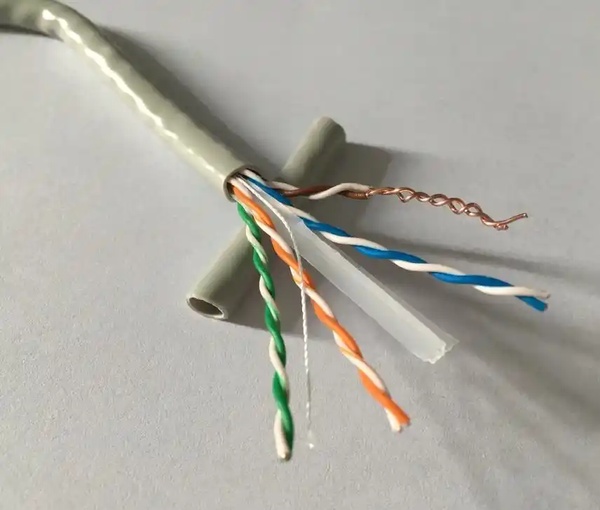
With tighter twists, thicker copper wires, and in many cases a spline separator, Cat6 cabling reduces crosstalk and interference, resulting in lower error rates and smoother data transmission.
Quick Comparison Table
| Feature | Cat5e | Cat6 |
|---|---|---|
| Shielding | Usually unshielded | Shielded & unshielded options |
| Frequency | Up to 100 MHz | Up to 250 MHz |
| Cable Diameter | Slimmer | Thicker |
| Internal Structure | Fewer twists per inch | More twists + spline separator |
| Best Use Case | Home and small office networks | Business, gaming & high-speed networks |
| Backward Compatibility | Works with Cat5 | Works with Cat5 & Cat5e |
| Latency | Higher latency | Lower latency |
What is Cat5e?
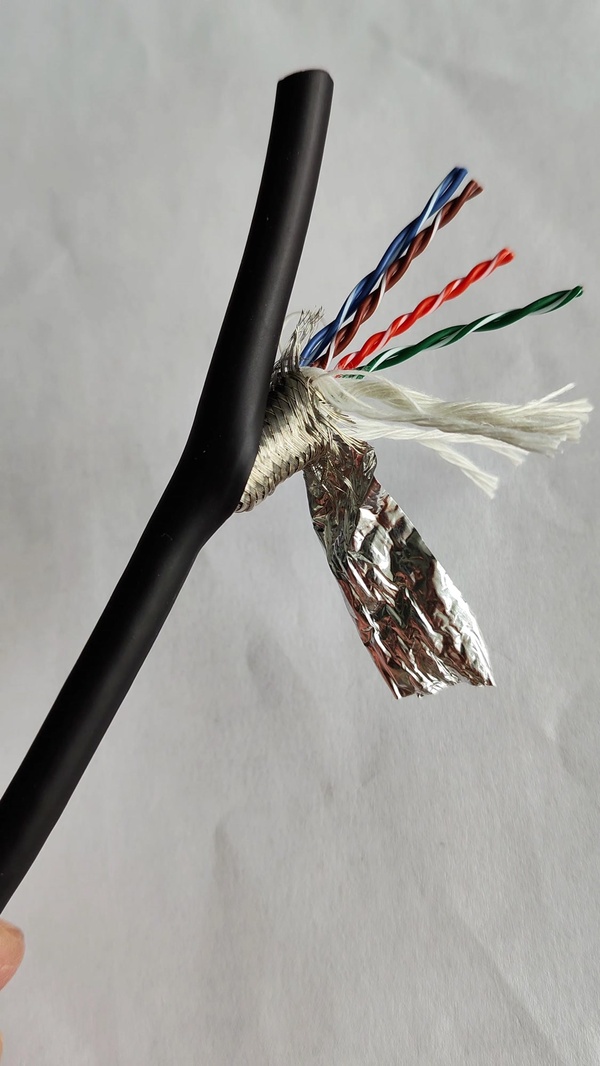
Cat5e (Category 5 enhanced) is one of the most commonly used Ethernet cables. It is designed with four twisted copper pairs to reduce interference and improve stability over its predecessor, Cat5.
-
Maximum speed: 1 Gbps over 100 meters.
-
Affordable and widely available.
-
Ideal for small offices, streaming, or everyday home networking.
-
Backward compatible with older equipment.
In short, Cat5e cabling remains a budget-friendly option when ultra-high speeds aren’t essential.
What is Cat6?
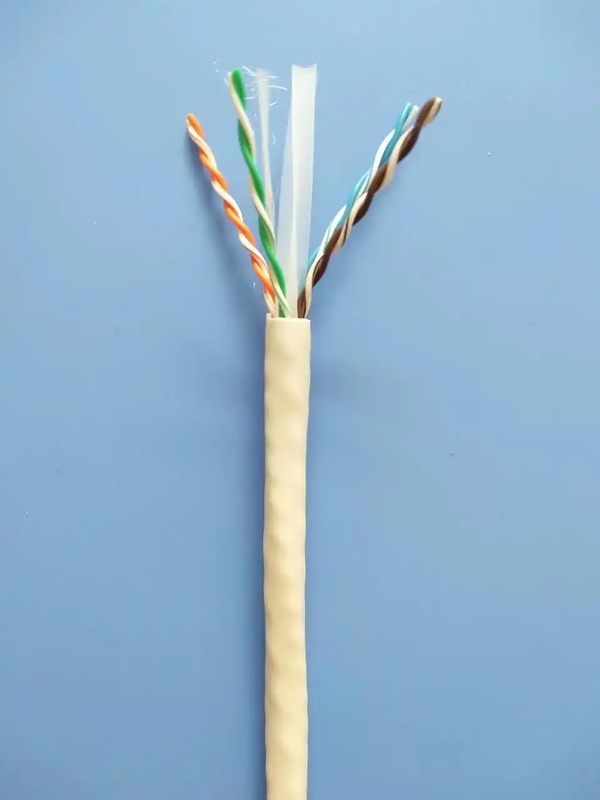
Cat6 (Category 6) delivers faster and more stable connections than Cat5e. With tighter twists and advanced construction, it significantly minimizes system noise and near-end crosstalk.
-
Maximum speed: 10 Gbps, but only over shorter runs (up to 55m).
-
Superior insulation and thicker conductors.
-
Excellent for data centers, business networks, and high-bandwidth tasks.
-
Backward compatible with Cat5e setups.
While more expensive than Cat5e, Cat6 Ethernet cables are the better choice for future-proofing your network.
Detailed Differences
Bandwidth:
-
Cat5e: Up to 100 MHz.
-
Cat6: Up to 250 MHz, supporting greater data transfer speeds.
Speed:
-
Cat5e: 1 Gbps.
-
Cat6: 10 Gbps (short distances).
Crosstalk:
-
Cat6 cables are built with stricter specifications, reducing interference and improving network performance.
Maximum Cable Length:
-
Both support up to 100 meters, but Cat6 only guarantees 10 Gbps at shorter runs.
Physical Differences:
-
Cat6 cables are thicker due to more insulation and sometimes include a plastic spline, unlike Cat5e cables.
Cost:
-
Cat6 costs more, but the investment often pays off for business environments or high-demand networks.
FAQs
Which is faster, Cat5e or Cat6?
Cat6 is faster. While Cat5e supports 1 Gbps, Cat6 can reach up to 10 Gbps under the right conditions.
Is Cat5e still good enough?
Yes. For most home networks and smaller setups, Cat5e is cost-effective and stable.
Is Cat6 better for gaming?
Absolutely. Cat6 Ethernet cables offer lower latency, faster speeds, and better network reliability, making them excellent for gaming and streaming.
Key Takeaways
When comparing Cat5e vs Cat6, the choice depends on your needs:
-
Choose Cat5e if you want a low-cost solution for general home networking or small office setups.
-
Choose Cat6 if you need faster data transfer speeds, better bandwidth, and reliable performance for business use, gaming, or streaming.
Both are backward compatible, but Cat6 cabling offers greater scalability and future-proofing for networks expected to handle higher demands.
If you’re planning a new network installation, investing in Cat6 Ethernet cables can save you from costly upgrades in the near future.
We are a professional Cat5e and Cat6 Cables manufacturer, producing a wide range of fiber optic and network cables, including indoor fiber optic cables, outdoor fiber optic cables, non-metallic cables, flame-retardant cables, loose tube cables, ribbon cables, data center cables, underwater cables, submarine cables, Fiber Patch Cord, hybrid power and fiber optic cables, base station field cables, UAV cables, and sensing cables. Our products are reliable and offered at competitive Cat5e and Cat6 Cables prices, making them ideal for various networking and communication projects.
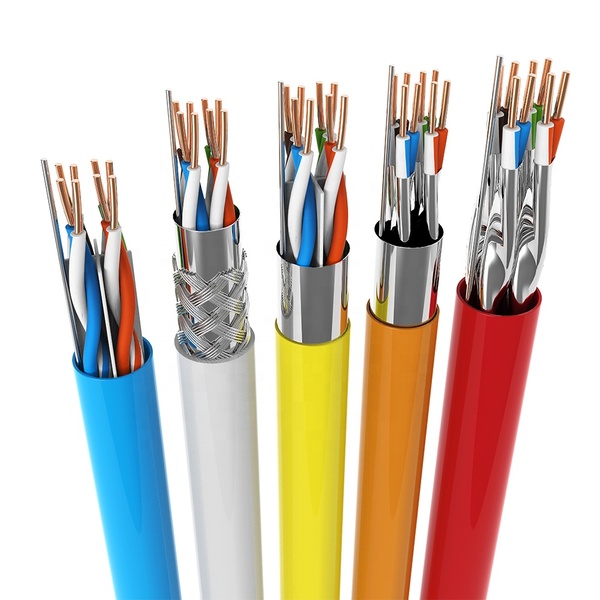
In addition to Cat5e and Cat6 Cables, we also produce supporting fiber optic and networking equipment such as optical splitters, multimode fiber, fiber connectors, fiber patch cords, fiber adapters, Cat7 cables, and more.
As a trusted Cat5e and Cat6 Cables supplier, we provide wholesale Cat5e and Cat6 Cables. If you want to inquire about Cat5e and Cat6 Cables prices or place bulk orders, feel free to contact us.
This article is original, and some pictures are from the Internet. If there is any inappropriateness, please contact us.