
Cat 5 Ethernet Cable Speed and Performance: Complete Guide for Home and Business
Introduction to Cat 5 Cable
Back in the mid-1990s, Cat 5 cable was considered cutting-edge. Released in 1995 as an improvement over Cat3 and Cat4, it quickly became the go-to choice for networking in homes and businesses. Even today, many households still have Cat 5 Ethernet running through their walls. In this guide, we’ll break down the details of Cat 5 cable speed, its standards, uses, and whether it still has relevance in modern networks.
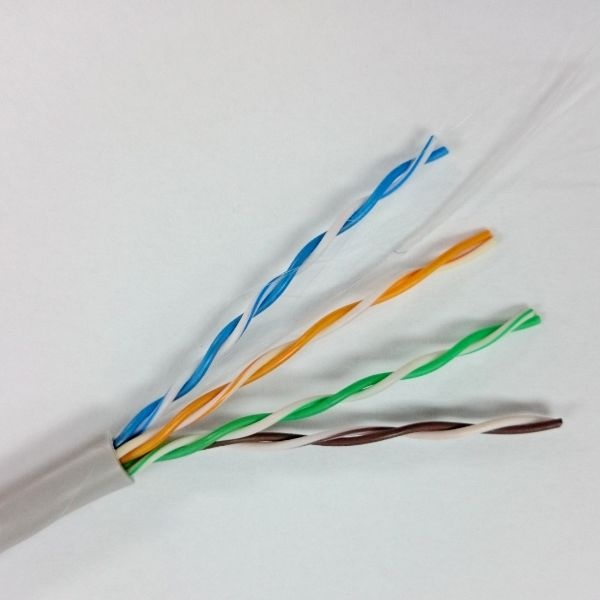
What Is Cat 5 Cable?
The rise of Cat 5 Ethernet cable marked a turning point for internet connectivity. Launched in 1995, it offered faster speeds than previous generations and supported a wide range of devices, including computers, routers, gaming consoles, and printers. Each generation of Ethernet cable improved upon the last, and Cat5 played a key role in powering early digital communication for both home and office networks.
How Fast Is Cat 5 Cable Speed?
At its peak, Cat 5 cable speed was rated for 10/100 Mbps (Megabits per second) with frequencies up to 100 MHz over a distance of 100 meters (328 feet). This allowed users to stream videos, browse the web, and enjoy online gaming with stable performance.
Later, with the development of Gigabit Ethernet (1000Base-T), Cat 5 cables could support 1 Gbps speeds when using all four twisted pairs. However, to ensure stable gigabit performance, it is generally recommended to keep cable runs as short as possible.
Types of Cat 5 Ethernet Cable
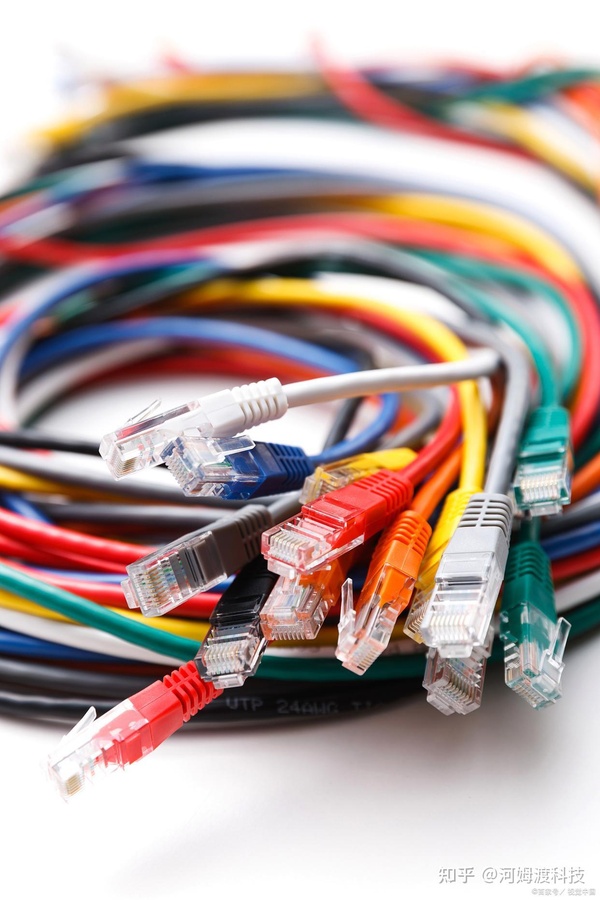
Cat 5 cable comes in different variations:
-
Stranded vs. Solid: Stranded versions are flexible and ideal for patch cords, while solid conductor cables are better for permanent installations inside walls or ceilings.
-
Shielded vs. Unshielded (STP vs. UTP): Most homes and offices use unshielded Cat 5, while shielded versions are preferred in environments with high interference.
-
Jacket Ratings: Common types include CM (general use), CMX (outdoor-rated), CMR (riser-rated), and CMP (plenum-rated).
-
Wire Gauge (AWG): Typically between 22AWG and 26AWG, depending on application and installation needs.
Terminating Cat 5 Cable
When setting up Cat 5 Ethernet, you’ll often terminate cables using keystone jacks or RJ45 (8P8C) connectors. Standards like TIA/EIA-568 define the wiring schemes (T568A and T568B), ensuring compatibility across devices and consistent performance.
Uses of Cat 5 Cable
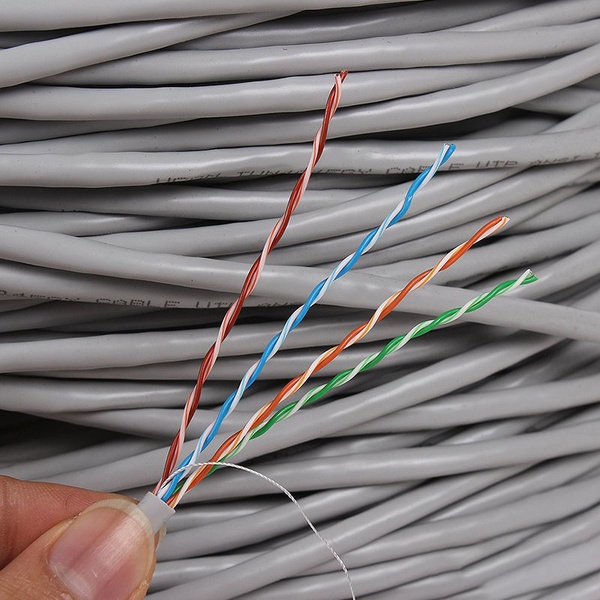
The versatility of Cat 5 cables allows them to handle:
-
Data transmission
-
Audio signals
-
Video streaming
-
Telephony systems
In some cases, one cable can even deliver multiple applications at once, though dedicated lines are usually recommended for reliability.
Installation Guidelines
When installing Cat 5 cable, proper handling is essential. The recommended bend radius should be no tighter than four times the cable’s outer diameter. The twisted pair design helps minimize crosstalk and interference, ensuring smoother performance compared to Cat3 and Cat4.
Real-World Examples of Cat 5 Cable Speed
-
100 Mbps: Suitable for web browsing, streaming, and general home internet use.
-
1 Gbps (1000 Mbps): Possible with shorter cable lengths, enabling tasks like gaming, video conferencing, and large file transfers.
The Future of Cat 5
Although Cat 5 Ethernet played a crucial role in networking history, newer standards such as Cat5e, Cat6, and Cat6A have largely replaced it. Cat5e offers better performance against crosstalk and supports gigabit speeds over longer distances. For modern setups, upgrading to Cat5e or higher is recommended to keep pace with today’s demanding internet requirements.
Conclusion
The legacy of Cat 5 cable remains strong, but technology has moved forward. While it still supports up to 100 Mbps—and even gigabit in some cases—most professionals now recommend Cat5e or Cat6 for better speed, reduced interference, and long-term reliability. Choosing the right Ethernet cable depends on your current and future networking needs.
We are a professional Cat5e cable manufacturer, producing a wide range of fiber optic and network cables, including indoor fiber optic cables, outdoor fiber optic cables, non-metallic cables, flame-retardant cables, loose tube cables, ribbon cables, data center cables, underwater cables, submarine cables, hybrid power and fiber optic cables, base station field cables, UAV cables, and sensing cables. Our products are stable, high-quality, and offered at competitive Cat5e cable prices, making them ideal for different networking and communication projects.
In addition to Cat5e cables, we also manufacture supporting fiber optic and networking equipment such as optical splitters, multimode fiber, fiber connectors, fiber patch cords, fiber adapters, Cat6 cables, Cat7 cables, and more. fiber optic cable manufacturer
As a reliable Cat5e cable supplier, we provide wholesale Cat5e cables. If you want to inquire about Cat5e cable prices or purchase in bulk, please feel free to contact us.
Part of the content of this article comes from the Internet. If there is any inappropriateness, please contact us.