
2025 Guide to Buying SFP Transceivers Find the Right Fit for Your Network
SFP transceivers play a vital role in connecting network switches, servers, and cables. With the rapid expansion of networking demands, numerous 1G SFP modules are now available on the market. However, selecting the most suitable SFP optical transceivers for your needs can sometimes feel overwhelming.
If you are planning to upgrade your switches but are uncertain which 1G SFP transceiver to choose, this guide provides practical tips. It will help you identify a module that balances compatibility, performance, and cost-effectiveness.
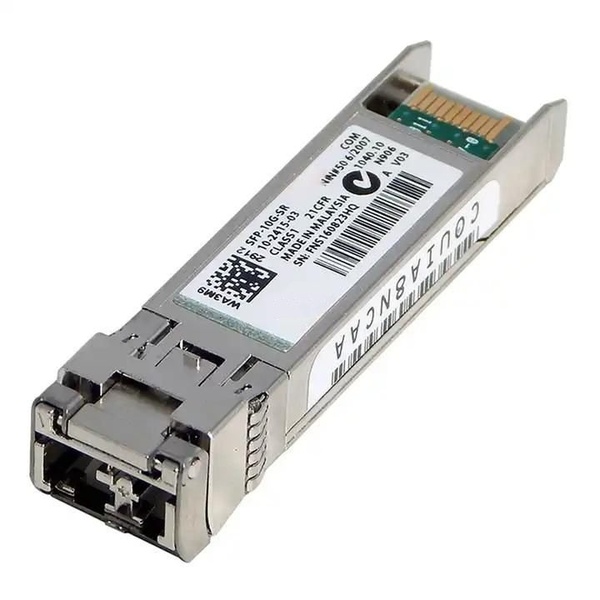
8 Key Factors When Choosing 1G SFP Transceivers
SFP Network Technology
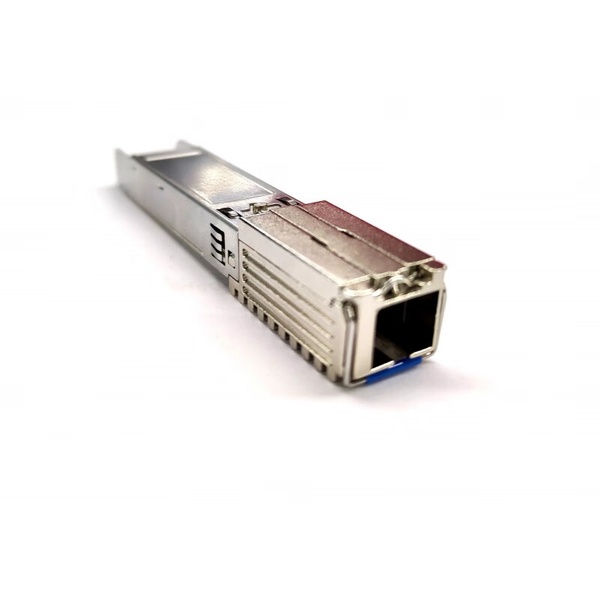
1G SFP modules are manufactured to support different networking standards. Depending on your network design, they can be categorized into Ethernet SFP, FC SFP, SONET/SDH SFP, and PON SFP.
-
Ethernet SFP modules are widely used in enterprise networks for fast data transmission across switches and routers.
-
FC SFP transceivers support fiber channel connections in data centers, especially for storage area networks (SANs).
-
SONET/SDH SFP transceivers are preferred in telecom applications, offering reliable long-distance, high-speed connectivity.
-
PON SFP modules are tailored for FTTx fiber access networks, ensuring efficient delivery of video, voice, and internet services.
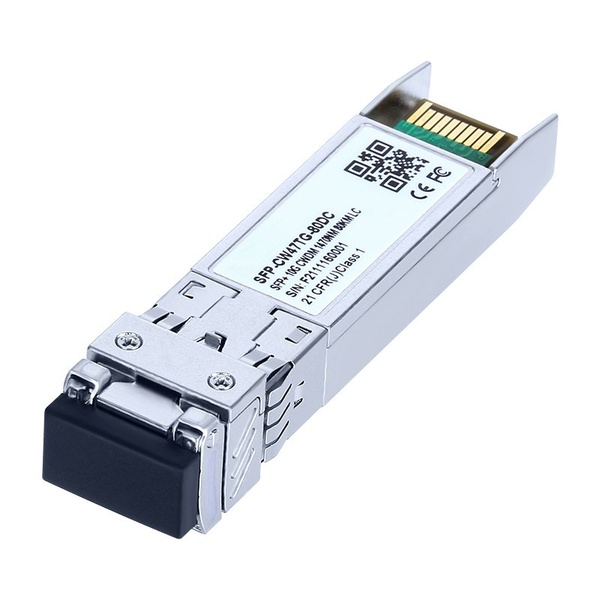
Transmission Medium
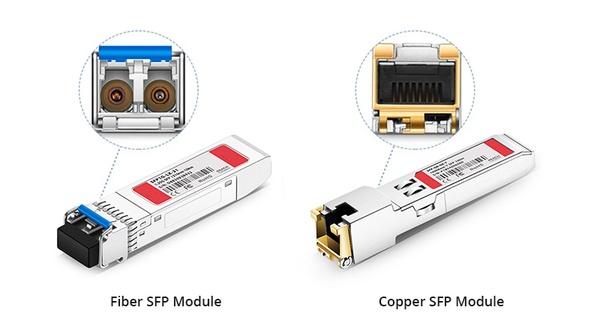
SFP transceivers can be divided into fiber SFP modules and copper SFP modules:
-
Fiber SFP modules work with single-mode fiber (long-distance up to 160km) or multimode fiber (short-distance connections). They are ideal for stable, interference-free connections in data centers and enterprise environments.
-
Copper SFP modules transmit over Ethernet cables (Cat5e/Cat6) up to 100m. They are cost-effective, easy to deploy, and suitable for short-range interconnections.
Wavelength
Choosing the correct wavelength is crucial. For dual fiber SFPs, 850nm, 1310nm, and 1550nm are common. For BiDi SFP modules, wavelengths such as TX1310/RX1550nm or TX1550/RX1310nm are used in pairs. Matching wavelengths correctly ensures reliable transmission.
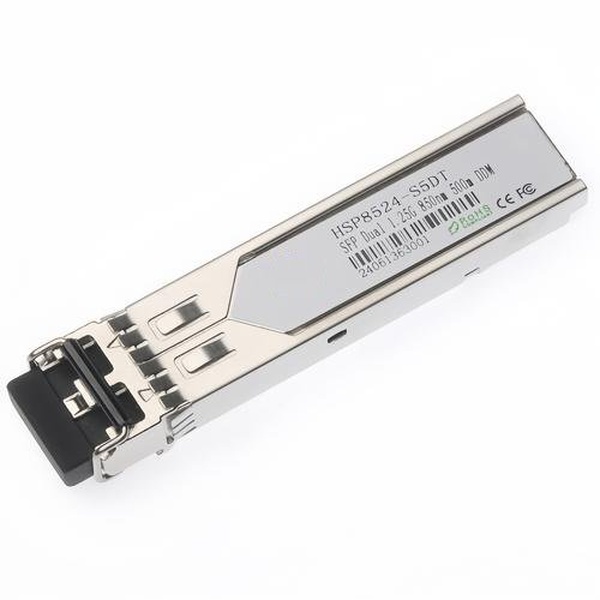
Operating Temperature
Deployment environment matters.
-
Industrial SFP transceivers withstand temperatures from -40°C to 85°C.
-
Commercial SFP transceivers work within 0°C to 70°C.
Selecting the right temperature range ensures stable performance.
Compatibility
Compatibility issues may cause connection failures. Always check the vendor’s SFP compatibility matrix or confirm with suppliers.
JXL SFP modules are engineered for maximum interoperability, tested with over 200 switch models across 20+ major brands like Cisco, HP, and Juniper. With plug-and-play compatibility and custom programming options, JXL transceivers minimize risks of mismatches.
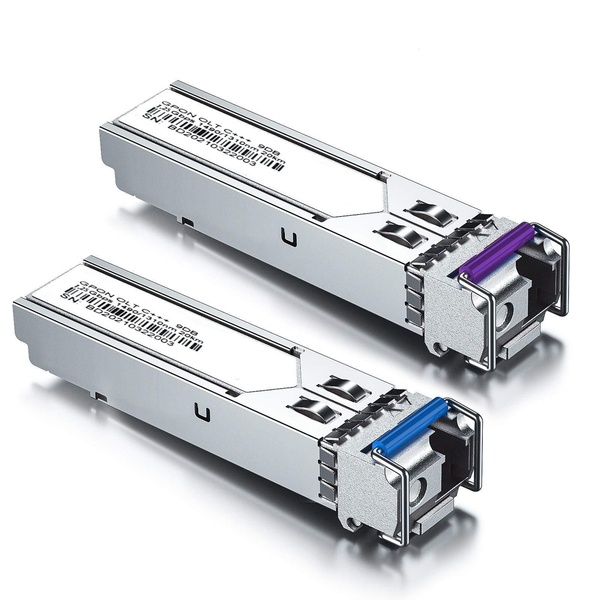
Intelligent Features
Modern SFP transceivers often include DOM (Digital Optical Monitoring), which tracks parameters like temperature, optical power, and signal quality in real time.
JXL modules also support JXL Box, enabling quick customization of compatibility settings, wavelengths, and parameters for multi-vendor applications.
Quality Assurance
When choosing SFP modules, consider:
-
Optical performance (output power, sensitivity, wavelength stability).
-
Electrical reliability (signal integrity, low power consumption).
-
Environmental testing (temperature cycling, stress resistance).
All JXL 1G SFP transceivers undergo strict testing, batch tracing, and compliance checks to guarantee long-term stability.
Price and Budget
Price varies across vendors. Avoid extremely cheap SFP transceivers as they may lack reliability, while overpriced ones may not justify extra cost.
For short connections, alternatives like DAC cables can be more economical since they remove the need for both fiber and transceivers.
Conclusion
This SFP transceiver buying guide highlights factors such as network technology, medium, wavelength, temperature range, compatibility, and quality testing to simplify your decision.
If you still need help choosing the right 1G SFP modules, reach out to the JXL sales team for expert advice.
We are a fiber optic manufacturer that produces optical fiber and optical cables, including indoor optical cables, outdoor optical cables, non-metallic optical cables, flame-retardant optical cables, bundled tube optical cables, ribbon optical cables, data center optical cables, underwater optical cables, submarine optical cables, optoelectronic composite optical cables, base station field optical cables, drone optical cables, and detection and sensor optical cables. We produce optical cables at affordable prices. We also produce optical fiber supporting equipment, such as fiber optic splitters, multimode optical fibers, fiber optic connectors, fiber optic patch cords, fiber optic adapters, fiber splitters, Category 5, Category 6, and Category 7 network cables. For inquiries about SFP transceiver prices, please contact us. SFP transceiver supplier
Some pictures are from the Internet. If you have any questions, please contact us.