
Cat6 vs Cat6a vs Cat7 Cabling: Which Ethernet Cable is Best for 10GBASE-T?
Rewritten Article
Demands for high-speed Ethernet are rapidly growing. Traditional Cat5 and Cat5e cables can no longer support 10Gbps networks, which makes upgrading to advanced Cat6, Cat6a, and Cat7 Ethernet cables essential. These modern copper cabling standards are designed for 10GBASE-T applications, delivering faster transmission and improved performance. But how do Cat6 vs Cat6a vs Cat7 cables compare? And which type should you choose for your 10G Ethernet network?
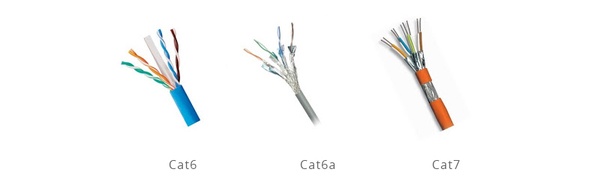
Introduction to Cat6, Cat6a, and Cat7
All three twisted pair categories—Cat6 (Class E), Cat6a (Class EA), and Cat7 (Class F)—are compatible with 10GBASE-T Ethernet but differ in frequency range, shielding, and installation flexibility.
Quick Comparison Chart
| Cable Type | Frequency | Data Rate | Connector | Shielding | Typical Use Cases |
|---|---|---|---|---|---|
| Cat6 | 250 MHz | Up to 10GBASE-T (55m) | RJ45 | UTP or STP | Home/Office LAN |
| Cat6a | 500 MHz | 10GBASE-T (100m) | RJ45 | UTP or STP | Enterprise, Data Center |
| Cat7 | 600 MHz | 10GBASE-T (100m) | GG45/RJ45 compatible | Shielded only | Data Center, High-demand setups |
Cat6 Overview
Cat6 Ethernet cable supports 10BASE-T, 100BASE-TX, 1000BASE-T, and 10GBASE-T up to 55 meters. It offers a frequency of 250 MHz but suffers from limitations in alien crosstalk and heat dissipation. While Cat6 cabling is cost-effective, using it for 10GBASE-T networks may require frequent replacements if performance falls short.
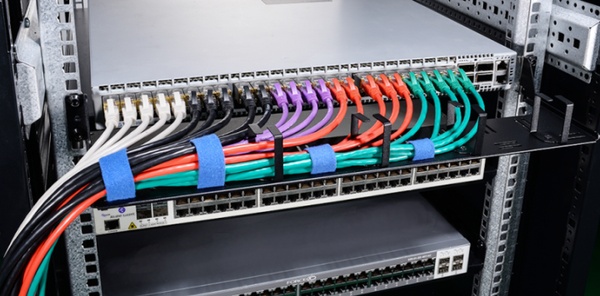
Cat6a Overview
Cat6a cable doubles the frequency to 500 MHz and extends the full 10GBASE-T transmission distance to 100 meters. Its enhanced sheathing minimizes crosstalk and improves signal-to-noise ratio, making it more reliable for enterprise networks and data centers. Though it is more expensive than Cat6, Cat6a Ethernet cable is considered the minimum recommended grade for deploying 10GbE copper cabling.
Cat7 Overview
Cat7 Ethernet cable offers up to 600 MHz bandwidth with individually shielded pairs, delivering superior noise reduction. It supports 10GBASE-T over 100 meters and has shown potential for 40Gbps and beyond in laboratory tests. However, its GG45 connector and thick shielding make it harder to install compared to Cat6a cabling. Moreover, Cat7 cables are significantly pricier and may require professional installation.
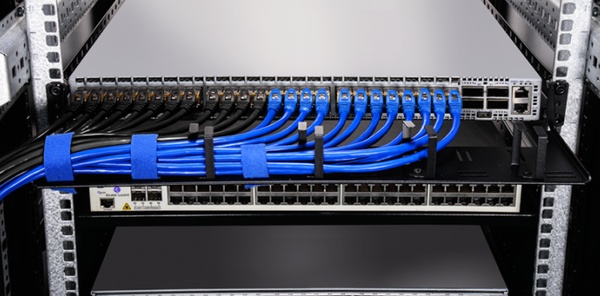
Cat6 vs Cat6a – Which Should You Choose?
When comparing Cat6 vs Cat6a, the latter provides better long-term reliability. While Cat6 cabling can technically handle 10GbE in short runs, Cat6a ensures full 100-meter performance and reduces the risk of costly reinstallation. Additionally, Cat6a supports power-saving short-reach mode, lowering energy consumption in large-scale deployments.
Cat6a vs Cat7 – Which Is Better?
Although Cat7 was ratified earlier and provides stronger shielding, Cat6a cabling is easier to install and manage. Many businesses find Cat6a Ethernet cables sufficient, balancing performance, cost, and flexibility. Cat7 is often chosen for specialized environments such as smart homes, automation systems, or security networks, where higher noise immunity is required.
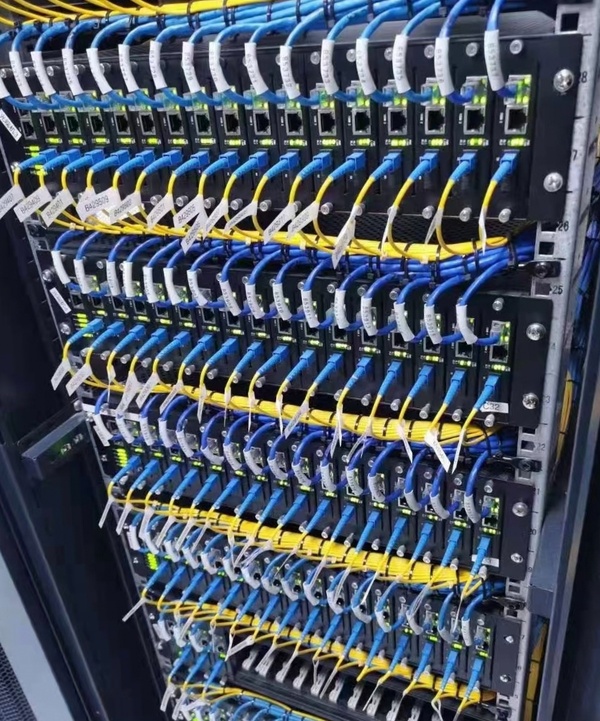
Future Considerations
If you are planning for future upgrades, note that Cat8 cable supports up to 40Gbps, making it a candidate for next-generation data centers. However, for most 10GBASE-T copper networks, Cat6a Ethernet cable remains the most future-proofed and cost-effective solution.
Final Thoughts
Choosing between Cat6, Cat6a, and Cat7 cabling depends on your network requirements, budget, and long-term goals. Ask yourself:
-
What are your current and future applications?
-
What is the expected lifetime of your cabling infrastructure?
-
How much bandwidth growth do you foresee in the next 5–10 years?
-
What is your budget for installation and potential replacement?
For most 10GbE deployments, Cat6a Ethernet cable strikes the right balance between cost, performance, and installation simplicity. Cat7 cable may appeal to users with specialized needs, but in most cases, Cat6a is the smart investment for a reliable 10GBASE-T copper network.
We are a fiber optic manufacturer that produces optical fiber and optical cables, including indoor optical cables, outdoor optical cables, non-metallic optical cables, flame-retardant optical cables, bundled tube optical cables, ribbon optical cables, data center optical cables, underwater optical cables, submarine optical cables, optoelectronic composite optical cables, base station field optical cables, drone optical cables, and detection and sensing optical cables. We produce optical cables at affordable prices. We also produce optical fiber supporting equipment, such as fiber optic splitters, multimode optical fibers, fiber optic connectors, fiber optic patch cords, fiber optic adapters, fiber splitters, Category 5, Category 6, and Category 7 network cables. For inquiries about CAT6 network cable prices, please contact us. CAT6 Network Cable Supplier
Some pictures are from the Internet. If you have any questions, please contact us.