
Fiber Optic Cable vs Cat6: Key Networking Differences
Fiber Optic Cable vs Cat6: Key Differences
In the world of networking, choosing the right cable is crucial for ensuring optimal performance and reliability. Two popular types of cables are fiber optic cables and Cat6 Ethernet cables. Both have their unique advantages and are suited for different scenarios. In this article, we’ll break down the key differences between fiber optic cables and Cat6 cables to help you make an informed decision.
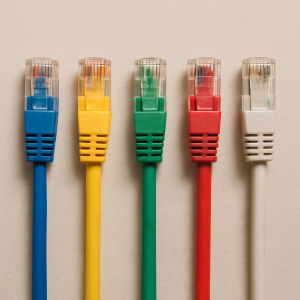
Ethernet cables are a common choice for establishing wired networks. They come in various categories, with Cat6 being one of the most popular options. Here’s a quick overview of Ethernet cable categories:
- Cat5: Suitable for most home networking needs, supports speeds up to 100 Mbps.
- Cat5e: An enhanced version of Cat5, it can handle speeds up to 1 Gbps.
- Cat6: Supports speeds up to 10 Gbps for distances up to 55 meters.
- Cat6a: An improved version of Cat6, capable of supporting 10 Gbps over a full 100-meter distance.
- Cat7: Offers improved shielding and can support speeds up to 10 Gbps over 100 meters.
While each category serves its purpose, our focus will be on Cat6 cables compared to fiber optic cables.
Fiber Optic Cable Overview
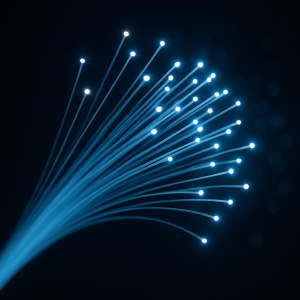
Fiber optic cables use light to transmit data, which allows for much faster speeds and longer transmission distances compared to traditional copper cables. They are made up of thin strands of glass or plastic fibers, each about the thickness of a human hair. These fibers are bundled together to form the cable.
Advantages of Fiber Optic Cables
- High-Speed Data Transmission: Fiber optic cables can support incredibly high data transfer rates, making them ideal for applications that require a lot of bandwidth, such as streaming video or online gaming.
- Long Distance Capabilities: Unlike Ethernet cables, fiber optic cables can transmit data over much longer distances without signal loss, which is beneficial for large networks or connecting buildings.
- Immunity to Electromagnetic Interference (EMI): Fiber optic cables are not susceptible to EMI because they use light instead of electrical signals. This makes them suitable for environments with high levels of electrical interference.
- Future-Proofing: With the increasing demand for faster internet speeds, fiber optic cables provide a more future-proof solution compared to copper cables.
Cat6 Cable Overview
Cat6 cables are a type of twisted pair Ethernet cable. They are made of copper and are commonly used in home and business networks.
Advantages of Cat6 Cables
- Cost-Effective: Cat6 cables are generally cheaper than fiber optic cables, making them a popular choice for budget-conscious consumers.
- Ease of Installation: Due to their flexibility and lower cost, Cat6 cables are easier to install and replace than fiber optic cables.
- Sufficient for Most Home Applications: For many home networks, Cat6 cables provide more than enough speed and bandwidth, making them a practical choice for everyday use.
- Backward Compatibility: Cat6 cables can be used with older network equipment, providing flexibility for users upgrading their systems gradually.
Key Differences Between Fiber Optic and Cat6
by Lasse Møller (https://unsplash.com/@lalasse)
Speed and Bandwidth
Fiber optic cables are capable of supporting much higher speeds and bandwidth compared to Cat6 cables. While Cat6 can handle speeds up to 10 Gbps, fiber optic cables can support data transfer rates exceeding 100 Gbps, depending on the type and configuration.
Distance Limitations
Fiber optic cables can transmit data over much longer distances without signal degradation. They can cover distances of several kilometers, whereas Cat6 cables are limited to about 100 meters for optimal performance.
Durability and Interference
Fiber optic cables are immune to electromagnetic interference and are more durable in harsh environmental conditions. In contrast, Cat6 cables can be affected by EMI and may require additional shielding in certain environments.
Cost Considerations
While fiber optic cables offer superior performance, they are generally more expensive to purchase and install than Cat6 cables. For this reason, they are often used in larger networks where the benefits outweigh the costs.
When to Choose Fiber Optic vs. Cat6
Choosing between fiber optic and Cat6 cables depends on your specific needs and circumstances.
- Fiber Optic Cables: Ideal for large networks, high-speed data transmission needs, and environments with high electrical interference. Suitable for future-proofing your network infrastructure.
- Cat6 Cables: Best for smaller networks, home use, and budget-conscious projects. Adequate for most applications that do not require extremely high speeds or long-distance transmission.
Conclusion
Both fiber optic cables and Cat6 Ethernet cables have their distinct advantages and are suitable for different applications. Understanding the key differences between them will help you make an informed decision based on your network requirements. Whether you prioritize speed, distance, cost, or ease of installation, there is a cable option that will meet your needs.
Remember, the right choice will depend on your specific situation, including the size of your network, your budget, and your future networking needs.
By evaluating these factors, you can choose the best cable type for your networking project and ensure that your network is reliable, efficient, and capable of meeting your demands for years to come.
We are a professional fiber optic manufacturer, specializing in the production of various fiber optic cables, including indoor fiber optic cables, outdoor fiber optic cables, non-metallic fiber optic cables, flame-retardant fiber optic cables, loose tube fiber optic cables, ribbon fiber optic cables, data center fiber optic cables, submarine fiber optic cables, underwater fiber optic cables, optical-electrical composite fiber optic cables, base station field fiber optic cables, drone fiber optic cables, and sensing fiber optic cables. Our fiber optic cables are available at competitive prices.
In addition, we manufacture supporting fiber optic products such as fiber optic splitters, multimode fiber, fiber optic connectors, fiber optic patch cords, fiber optic adapters, Cat5, Cat6, and Cat7 network cables. As a fiber optic cable manufacturer, we provide wholesale fiber optic cables, and for inquiries about fiber optic cable prices, please contact us. We are a trusted fiber optic cable supplier serving both domestic and international markets.
Some of our content comes from the Internet. If there is any inappropriateness, please contact us.