
Essential Guide: What Materials Are Used in Fiber Optic Cables?
Article (SEO-optimized rewrite)
What Materials Are Used in Fiber Optic Cables?
Fiber optic cables are engineered from specialized materials designed to transmit light signals efficiently. These cables can carry massive amounts of data at incredible speeds along fiber strands that are thinner than a human hair! But have you ever wondered exactly what materials are used in fiber optic cable manufacturing? The most common substances are glass and plastic, each with unique properties suited to different applications. This guide explores the key fiber materials, their components, and how they affect performance.
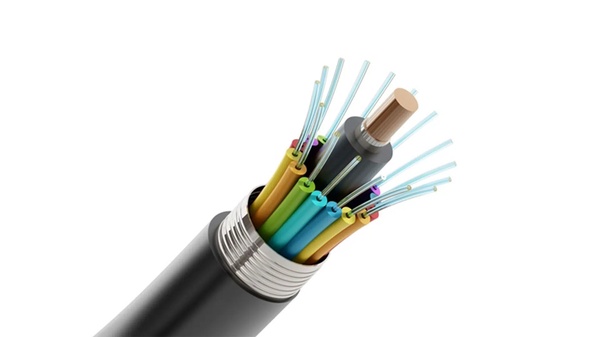
What Is Optical Fiber?
Optical fiber is a type of data transmission cable that uses pulses of light rather than electrical signals, providing much faster communication than conventional copper cables. With fiber optics, data moves at nearly the speed of light, transforming network infrastructure for internet, telecommunications, cable TV, and even military or space applications.
Types of Fiber Optic Cable
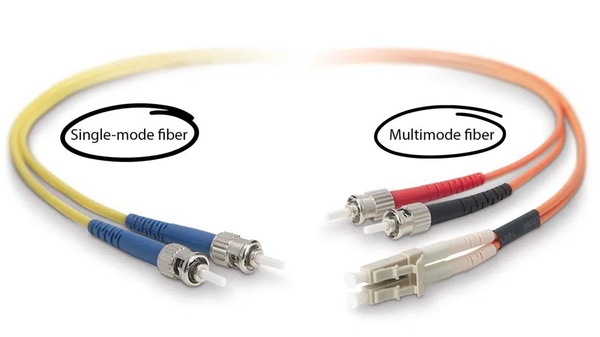
There are two main categories of fiber optic cables: single-mode and multimode.
-
Single-mode fiber features a narrow core made from glass or plastic, allowing only one light ray to pass at a time. This is ideal for long-distance transmission due to minimal signal loss. Installation requires specialized equipment, so planning ahead is essential.
-
Multimode fiber has a wider core, enabling multiple light rays to travel simultaneously. While easier to install, it experiences more attenuation and is less suitable for long distances.
Three Main Components of a Fiber Optic Cable
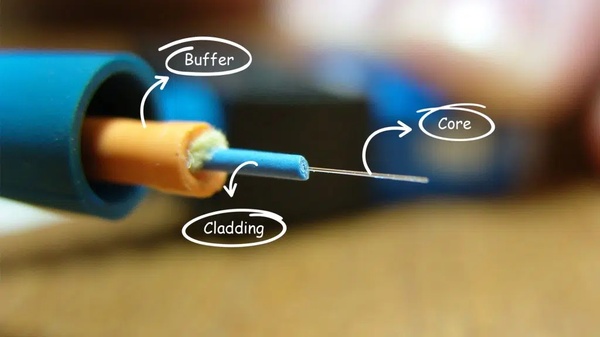
Every fiber optic cable consists of three essential elements:
-
Core – The central pathway where light travels, made from either glass or plastic, usually 50–125 microns in diameter.
-
Cladding – Surrounds the core with a lower refractive index to reflect light back into the core, ensuring minimal signal loss.
-
Buffer – A protective coating that shields the cable from damage in both indoor and outdoor settings. Typically made from acrylate, a type of plastic.
Differences Between Glass and Plastic Fiber
-
Glass fiber uses highly pure silica, allowing long-distance data transmission with minimal loss. Though fragile and harder to handle, it’s highly durable and ideal for high-performance networks.
-
Plastic fiber is crafted from acrylate or polyimide, offering flexibility and easier handling, but shorter transmission distances. Both types may include additives like germanium tetrachloride or phosphorus oxychloride to enhance performance.
Cost Considerations
Glass fiber optic cables are more expensive due to the high cost of silica, but they provide long-term reliability.
Plastic fiber optic cables are more affordable and flexible but may require periodic replacement for long-distance applications.
Fiber Optic Manufacturing Process
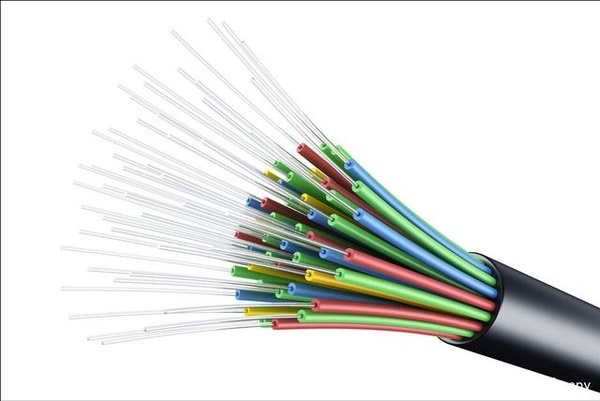
The manufacturing of fiber optic cables begins with creating a preform from core and cladding materials. This preform is drawn into a fine fiber, which is then coated with a buffer. Fibers are bundled into tubes, strengthened, and jacketed for final installation.
Single-mode fibers are typically produced using vapor deposition, while multimode fibers often use the crucible method, optimizing them for long-distance and short-distance communication, respectively.
Planning Your Fiber Optic Cable Installation
Understanding the materials and structure of fiber optic cables helps in choosing the right solution for your network. Whether you require glass for long-haul connections or plastic for flexible short-range installations, proper planning ensures maximum performance. Contact network installation experts to assess your project and obtain a free quote.
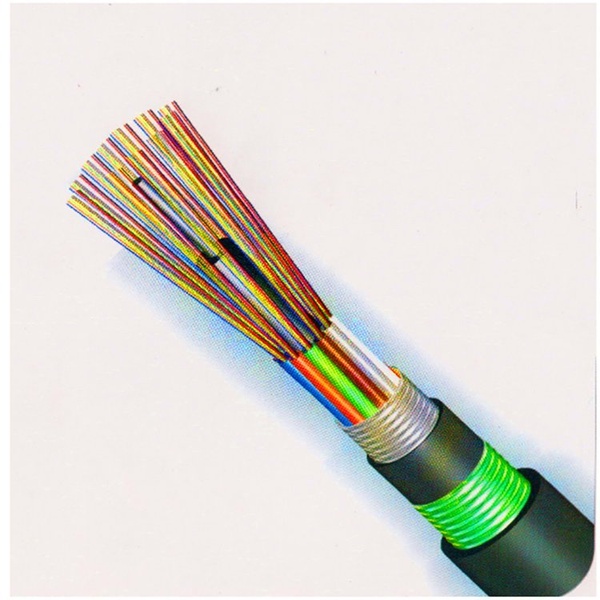
We are a professional fiber optic cable manufacturer, producing a wide range of fiber optic cables, including indoor fiber optic cables, outdoor fiber optic cables, non-metallic cables, flame-retardant cables, loose tube cables, ribbon cables, data center cables, underwater cables, submarine cables, hybrid power and fiber optic cables, base station field cables, UAV cables, and sensing cables. Our fiber optic cable products are offered at competitive fiber optic cable prices, making them ideal for various networking and communication projects.
In addition to fiber optic cables, we also produce supporting equipment such as optical splitters, multimode fiber, fiber connectors, fiber patch cords, fiber adapters, Cat5e cables, Cat6 cables, Cat7 cables, and more.
As a trusted fiber optic cable supplier, we provide wholesale fiber optic cables. For inquiries about fiber optic cable prices or bulk orders, feel free to contact us.
Some of our content is obtained from the Internet. If there is any inappropriateness, please contact us.